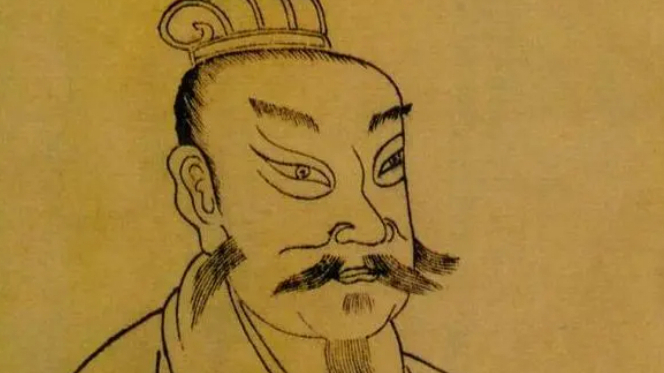
Wu Zixu
Overview
Wu Zixu, a prominent historical figure from ancient China, lived during the Spring and Autumn Period (770-476 BC). He was known for his roles as both a military general and a politician. His life story is characterized by loyalty, strategic brilliance, and the tumultuous times he navigated in service to the state of Wu. Wu Zixu's legacy has transcended centuries, influencing cultural traditions, performing arts, and regional folklore.
Early Life and Exile
Wu Zixu was originally from the state of Chu, where his family was unjustly executed under the orders of King Ping of Chu. Escaping the same fate, Wu Zixu fled to the state of Wu. His journey to Wu was fraught with danger and is a testament to his determination and resilience. His ability to navigate these challenges reflects the political upheaval and intense personal trials of the time.
Military Achievements
Upon reaching the state of Wu, Wu Zixu quickly rose through the ranks of leadership, proving himself as an invaluable military strategist and advisor. He is credited with several key victories against Chu, utilizing his deep understanding of his homeland's politics and military strategies. His most notable military contribution came during the Battle of Boju, where his strategies led to a significant defeat of the Chu forces. Wu Zixu's military prowess is often celebrated in historical texts and dramatizations.
Contributions to the State of Wu
Wu Zixu's influence extended beyond military accomplishments. His vision for the state of Wu included infrastructural improvements, exemplified by his work on the Xutang Canal. This canal was a significant engineering feat, designed to enhance trade and transportation within the region. His leadership in state affairs helped solidify Wu's power during a period of intense interstate rivalry.
Cultural Impact and Legacy
Wu Zixu's life and legacy have left an indelible mark on Chinese culture. His story is celebrated in various regional folklore, especially in South China, where he is venerated as a hero who fought against oppressive forces. His narrative has been adapted in numerous operatic works, such as the Yangju Opera "Zixu Crosses the River," which has been praised for its creative take on traditional storytelling.
During the Dragon Boat Festival, held annually on the fifth day of the fifth month on the traditional Chinese calendar, Wu Zixu is remembered alongside other historical figures such as the poet Qu Yuan. The festival, known for its vibrant dragon boat races and cultural festivities, reflects the rich tapestry of history and mythology interwoven with Wu Zixu's story. In different regions, he is honored through various rituals and celebrations that highlight his contributions to regional culture and history. Article reference1. Dragon Boat festival. chinadaily.com.cn. 2020Photo Gallery(1 picture)CategoriesHistoryTagHistorical FiguresAncient Chinese HistoryRelatedYang BaosenCatalogue1. Overview2. Early Life and Exile3. Military Achievements4. Contributions to the State of Wu5. Cultural Impact and Legacy- - - []








